Affiliate disclosure: Some links earn us a small commission at no cost to you.
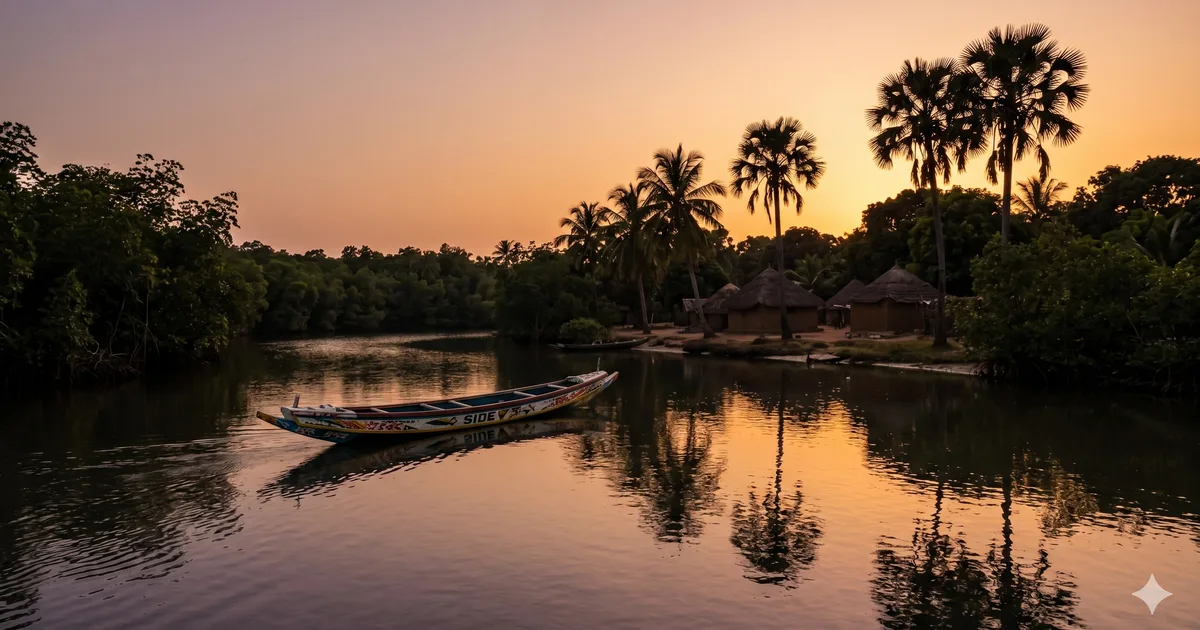
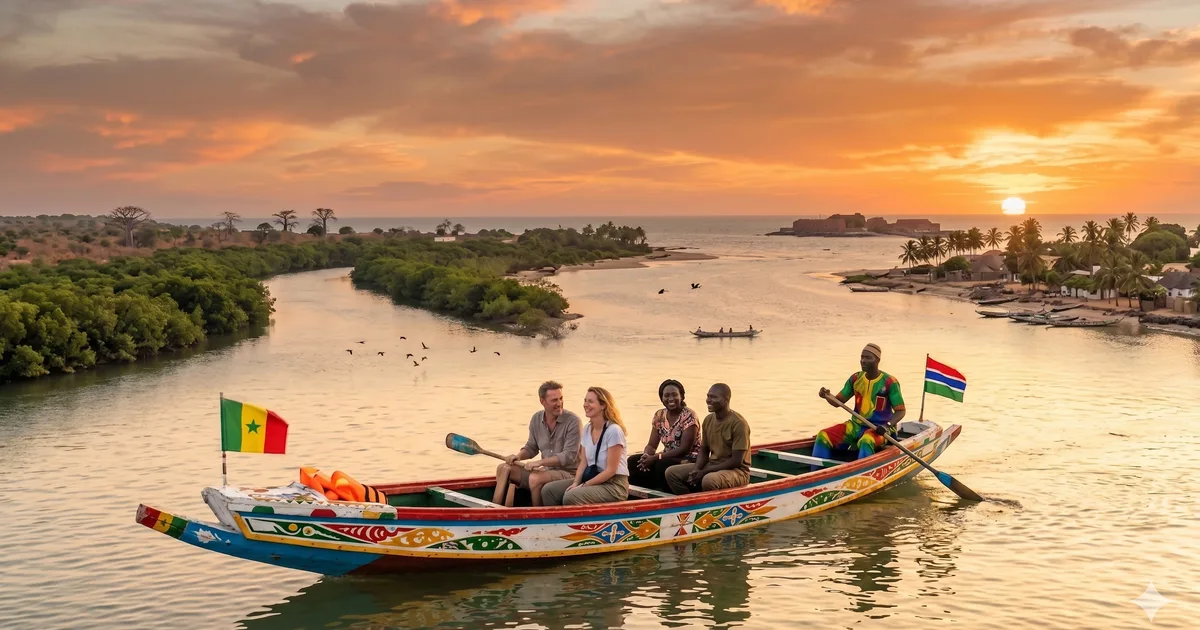
Tanji isn't a resort beach. Twenty-five kilometres south of Kololi, it's one of the Gambia's biggest fishing communities — a working beach where hundreds of pirogues launch before dawn and ride back in through the morning surf, where women smoke and salt the catch on the sand, and where the sheer scale of West African artisanal fishing is right in front of you.
Next door, the Tanji Bird Reserve is one of the best coastal birding sites in West Africa during migration. Put together, Tanji is the most packed morning of sights you'll get within day-trip range of the strip.
Getting there
By taxi from Kololi: D400–600 (£4.70–7) one-way, 30–40 minutes. Ask the driver to wait — there's no reliable transport back on demand.
By organised excursion: Most Kololi hotels run Tanji as part of a south-coast day trip, usually paired with lunch at Sanyang. Tanji fishing village excursions on Viator
By bush taxi: From Serrekunda Westfield, bush taxis run to Tanji for D30–50 a seat, 40–50 minutes.
The fish landing — timing is everything
The fleet is biggest at the landing from about 07.00–10.00 most days. That's the window. Women buyers from Banjul and Serrekunda are on the beach before the boats even arrive, cash in hand. The pirogues come in through the surf one after another — some riding waves that look impossible to clear — and get beached by teams of men who unload straight away.
The fish are sorted, weighed and sold within minutes. You'll see barracuda, bonga (West African shad), sole, thiof (white grouper, Senegal's national fish), ethmalosa, and whatever the deep-water lines turned up.
Arrive by 07.30 for the best of it. By 10.00 most of the fleet is in and the beach quietens.
The smoke house
Just behind the beach, women process the fish they've bought — splitting bonga for smoking over wood fires, laying sole out to dry, salting bigger fish for the trip upcountry. The smoke, the smell, and the organisation of it — each woman with her own fire, her own buyers, her own patch — is a short course in informal economics.
It's photogenic, but it's also private work. Ask before photographing anyone (raise the camera questioningly and wait for a nod). Most are fine with it if you're respectful and don't hang about. A small tip (D20–50) is fair if someone's been patient with your lens.
Tanji Bird Reserve
Just south of the village, a lagoon and coastal-scrub complex. It's at its best during migration (October–November and February–March), but there are resident species year-round.
What to look for: Caspian, royal and common terns, various sandpipers and plovers, grey, purple and western reef herons, grey plover, whimbrel, common redshank, dunlin, and flamingo (irregular, but often enough to hope for). On the beach, brown noddy and Sandwich tern roost on the pirogue hulls.
Best time: High tide, when the waders bunch up at the lagoon edge. Do the reserve after the fish landing for a clean half-day.
The beach at Tanji
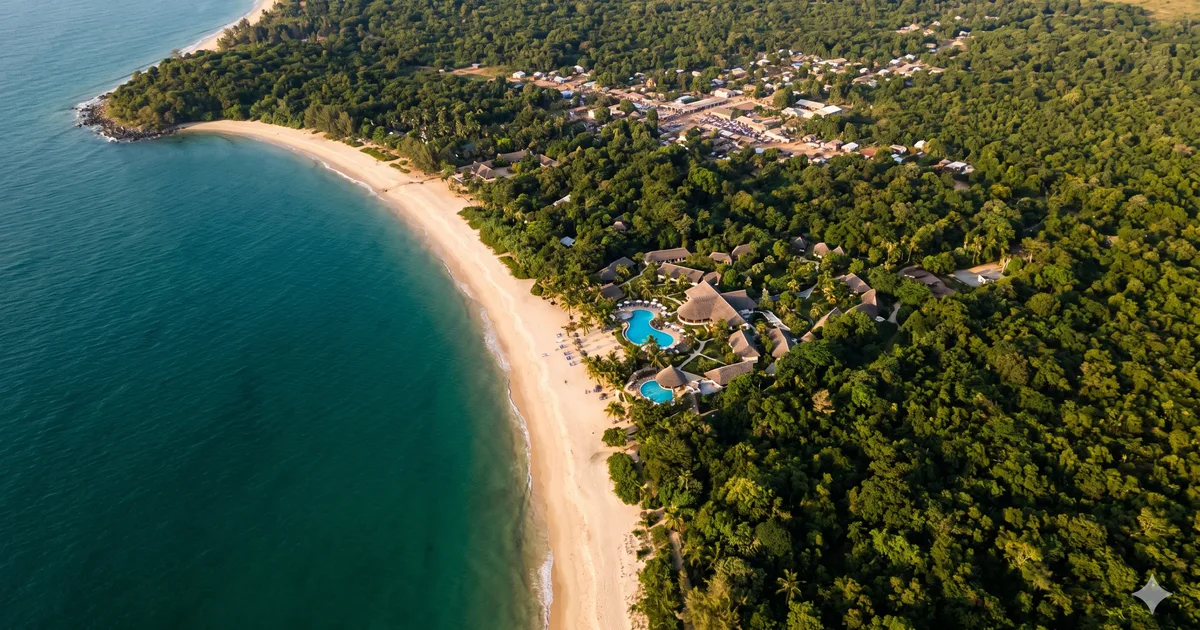
Past the working zone, the beach is long and usually empty next to Kololi. The surf is full Atlantic — bigger and less forgiving than the sheltered stretches at Kotu or Senegambia. You can swim, but the rip-current risk is higher here than at the tourist beaches. The local fishermen know the safe sections; ask before you go in.
There are no beach bars or facilities at the working beach. The village has chai shops and a few basic food stalls. Carry water.
Where to eat nearby
Nothing at the working beach itself. For lunch:
- Carry on to Sanyang (15 minutes south) for Seaview Garden's grilled barracuda — the natural pairing for a south-coast morning
- Gunjur village (8 km north of Sanyang) has a community-run beach café
Combining Tanji with other stops
The classic south-coast day:
- 07.30: Tanji fish landing
- 09.00: Tanji Bird Reserve (an hour)
- 11.00: drive to Sanyang (15 min)
- 11.30: beach time at Sanyang
- 13.00: lunch at Seaview Garden
- 15.00: back to Kololi
Taxi for the day: D800–1,200 (£9–14).
FAQ
Is it appropriate to visit a working fishing village?
Yes, with the respect you'd bring anywhere. Don't photograph people without asking, don't get in the way of the landing (stand back and watch), and treat it as a workplace, not a show. The fishermen and women are well used to visitors — they just need to get on.
What time should I arrive?
07.00–07.30 for the landing at its busiest. By 09.30 the main action is done.
Are there guides at Tanji?
Some local guides offer their services at the beach approach. One who knows the reserve makes a real difference to the birding. D300–500 for a morning.
More south coast: the Sanyang Beach guide for the best lunch stop, and the birdwatching in The Gambia guide for Tanji and the other key sites.